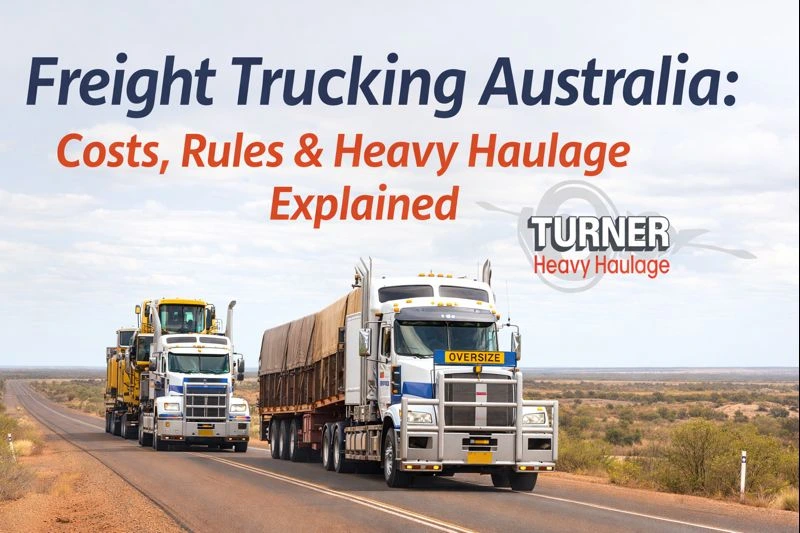
Freight Trucking Australia: Costs, Rules & Heavy Haulage Explained
Freight Trucking Australia plays a vital role in keeping the country’s economy moving. From mining equipment and construction machinery to industrial freight and oversized loads, Truck Transport remains the backbone of Australia’s logistics network. Due to the nation’s vast distances, strict regulations, and demanding terrain, freight trucking requires expertise, compliance, and specialised heavy haulage capabilities. In this guide, we break down how Freight Trucking Australia works, what it costs, the rules involved, and why professional heavy haulage operators are essential for safe and efficient transport.
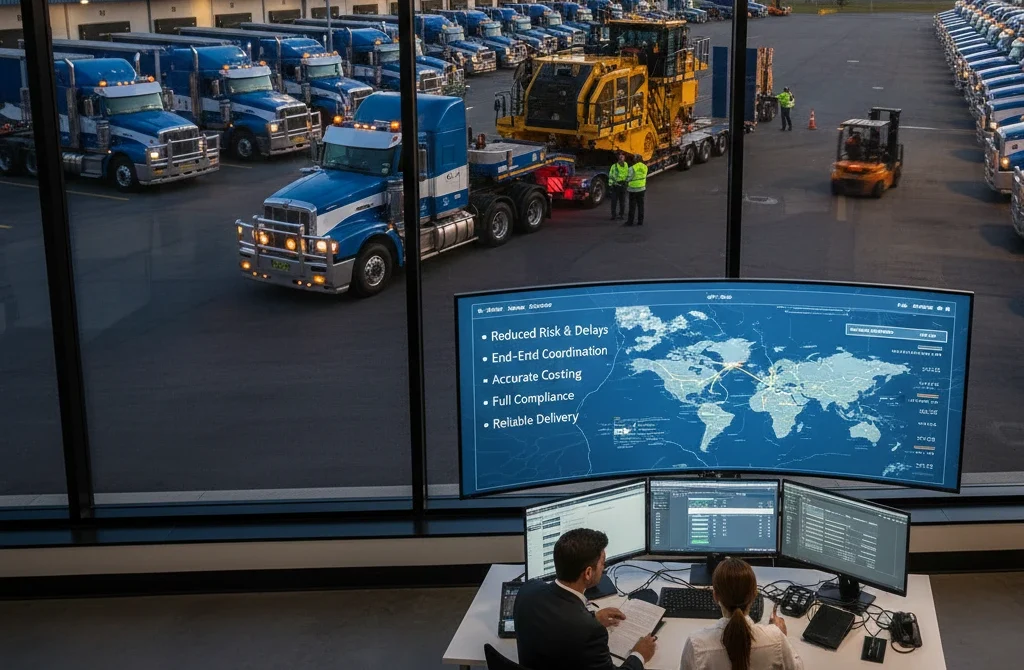
What Is Freight Trucking Australia and How Does It Work?
Freight Trucking Australia refers to the movement of goods by road using rigid trucks, semi-trailers, B-doubles, road trains, and specialised heavy haulage vehicles. Unlike standard courier services, freight trucking handles bulk freight, large-scale equipment, and time-critical deliveries across intrastate and interstate routes.
In practice, freight trucking begins with route planning and load assessment. Transport providers evaluate load dimensions, weight, and destination requirements. From there, suitable vehicles, trailers, permits, and escorts are arranged. This structured approach ensures compliance, safety, and on-time delivery—especially for heavy and oversized freight.
Freight Trucking Costs in Australia: What Influences Pricing?
Understanding costs is one of the most common concerns for businesses using Freight Trucking Australia. Pricing is not fixed and depends on several important factors.
Key Cost Factors in Freight Trucking
-
Distance and route complexity – Long interstate routes or remote areas increase fuel and labour costs.
-
Load size and weight – Heavy or over-dimensional loads require specialised equipment.
-
Type of truck and trailer – Low loaders, extendable trailers, and platform trailers affect pricing.
-
Permits and compliance requirements – Oversize and over-mass permits add to overall cost.
-
Escort vehicles and traffic control – Mandatory for certain heavy haulage movements.
As a result, professional Freight Trucking Australia providers offer tailored quotes rather than flat rates, ensuring accuracy and transparency.
Heavy Haulage vs Standard Truck Transport
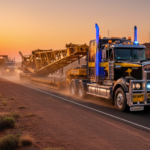
While both fall under Freight Trucking Australia, heavy haulage differs significantly from standard Truck Transport. Standard freight typically involves palletised goods within legal size and weight limits. Heavy haulage, however, focuses on transporting oversized, over-mass, or high-value machinery.
When Heavy Haulage Is Required
-
Mining and earthmoving equipment
-
Large construction machinery
-
Industrial components and steel structures
-
Infrastructure and energy project cargo
Because of these complexities, heavy haulage demands experienced operators who understand regulations, risk management, and logistics coordination.
Rules and Regulations Governing Freight Trucking Australia
Australia maintains strict transport laws to ensure road safety and infrastructure protection. Any Freight Trucking Australia operation must comply with national and state-based regulations.
Key Regulations Affecting Freight Trucking
-
Mass and dimension limits for trucks and trailers
-
Load restraint standards to prevent shifting during transit
-
Driver fatigue management and work hours
-
Oversize and over-mass permit requirements
-
Route approvals and bridge load limits
Failure to comply can result in fines, delays, and safety risks. This is why experienced freight trucking companies place strong emphasis on compliance and planning.
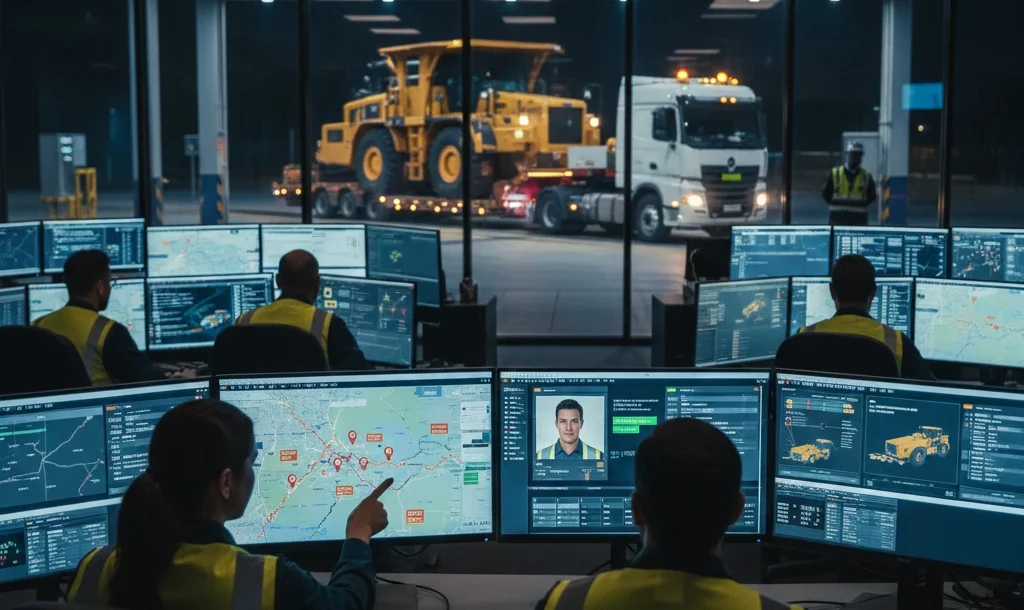
How Permits Work for Heavy Haulage in Australia
Permits are a critical part of Freight Trucking Australia when loads exceed standard limits. These approvals outline permitted routes, travel times, escort needs, and conditions.
Common Permit Types
-
Over-dimensional load permits
-
Over-mass load approvals
-
Night or off-peak travel permissions
-
Special route and bridge access permits
Professional heavy haulage providers manage the entire permit process, ensuring smooth and lawful transport from pickup to delivery.
Safety Standards in Freight Trucking Australia
Safety is central to every successful freight movement. In Freight Trucking Australia, safety planning reduces risks to drivers, other road users, and transported assets.
Safety Measures Used in Truck Transport
-
Detailed risk assessments and route surveys
-
Certified load restraint systems
-
Regular vehicle inspections and maintenance
-
Trained and licensed heavy vehicle drivers
-
Pilot and escort vehicle coordination
These measures not only protect cargo but also enhance delivery reliability and compliance.
Industries That Rely on Freight Trucking Australia
Freight trucking supports a wide range of Australian industries. Without reliable Truck Transport, many sectors would struggle to operate efficiently.
Major Industries Using Freight Trucking
-
Mining and resources
-
Construction and infrastructure
-
Manufacturing and industrial projects
-
Agriculture and rural supply chains
-
Energy and utilities
Each industry requires tailored freight solutions, highlighting the importance of experienced heavy haulage specialists.
Why Choose a Professional Heavy Haulage Provider?
Choosing the right provider for Freight Trucking Australia makes a measurable difference in cost control, safety, and delivery timelines. Professional operators bring experience, equipment, and compliance knowledge that general transport providers may lack.
Benefits of Expert Truck Transport
-
Reduced risk of delays and penalties
-
End-to-end logistics coordination
-
Accurate cost estimation and planning
-
Compliance with Australian transport laws
-
Reliable delivery for critical projects
Ultimately, working with a trusted heavy haulage company ensures peace of mind and operational efficiency.
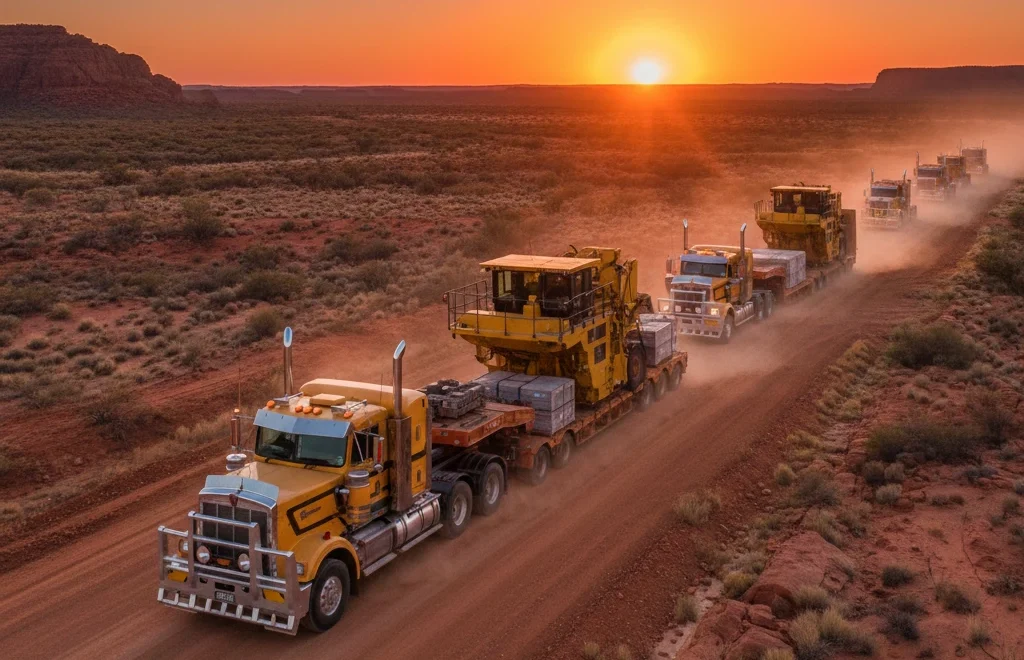
Future Trends in Freight Trucking Australia
As technology advances, Freight Trucking Australia continues to evolve. Telematics, route optimisation software, and improved safety systems are shaping the future of Truck Transport. Additionally, demand from mining, construction, and renewable energy projects is driving growth in specialised heavy haulage services nationwide.
Contact Turner Heavy Haulage
If you are looking for reliable Freight Trucking Australia services backed by industry expertise, Turner Heavy Haulage is here to help. Based in Australia, we specialise in heavy haulage, oversized loads, and professional Truck Transport solutions tailored to construction, mining, and industrial projects. Contact Turner Heavy Haulage today to discuss your freight requirements and receive a customised transport solution designed for safety, compliance, and on-time delivery.
Share This Post
Comments
Recent Posts
 Ultimate Guide to Freight Transport Services AustraliaIn Blog
 Best Heavy Equipment Transport Australia ServicesIn Blog
 Top Heavy Haulage Company Australia ExpertsIn Blog
 Professional Mining Haulage Australia ServicesIn Blog
 Over Dimensional Load Transport Australia – Specialist Transport for Oversized Loads
REQUEST FOR QUOTE
To get a free quote for the heavy haulage transport in New South Wales, fill up the form. We are happy to contact you soon.